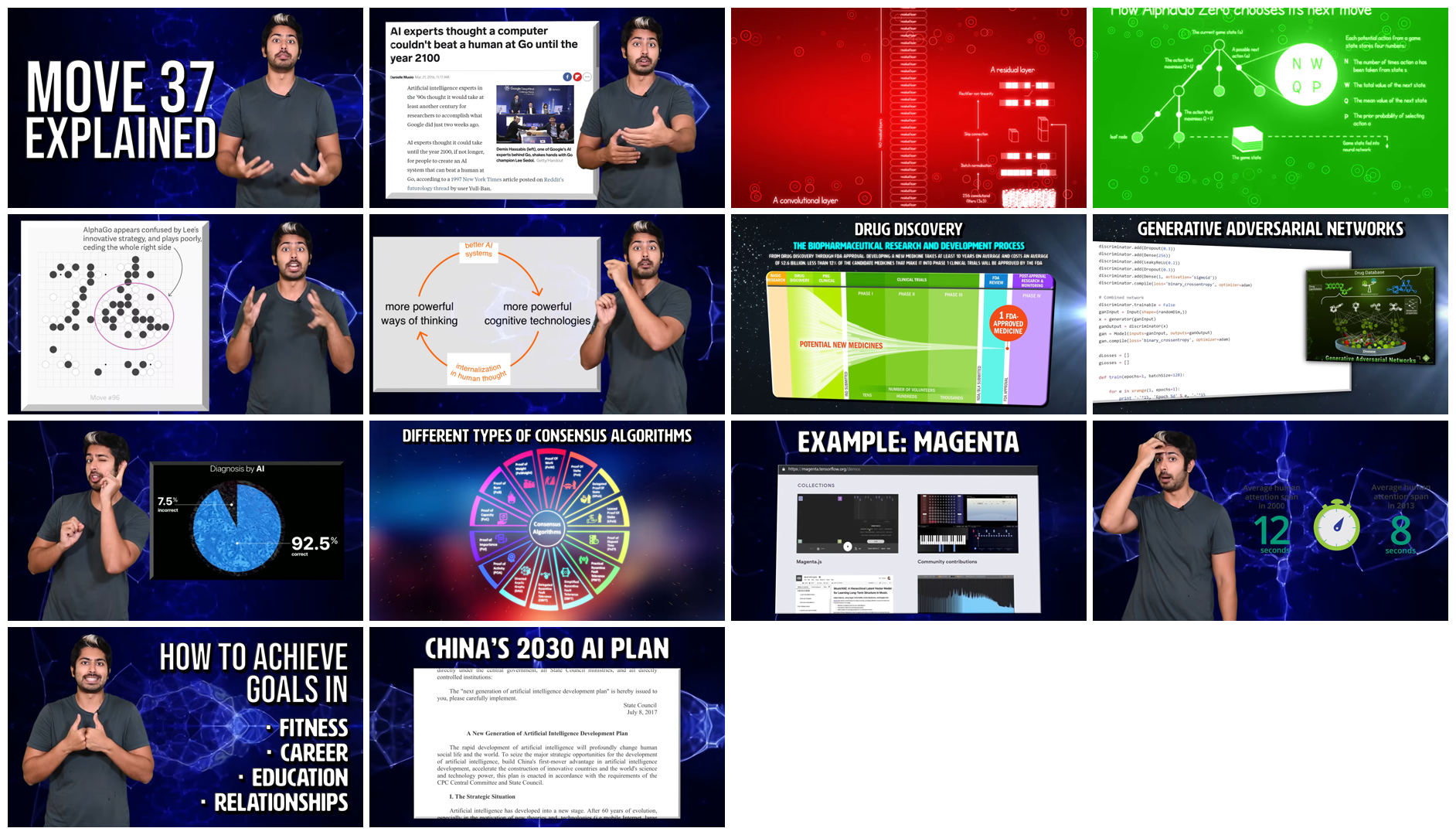
Where Paul Roetzer's 2025 keynote asks what Move 37 means for your job, this 2018 video asks how the machine did it — and lands, characteristically for the era, on optimism. It's a useful primer with a couple of caveats worth flagging up front.
The verdict
A clear, fast, genuinely useful mechanics explainer — CNN + tree search, then three hopeful applications. It's also a time capsule: the 2018 techno-optimism ("automation will free us into jobs we enjoy") reads very differently after the 2025 CEO-driven wave. Watch it to understand how AlphaGo worked; pair it with a 2025 source for what it costs. One factual slip and the creator's later credibility issues (below) mean: verify, don't cite.
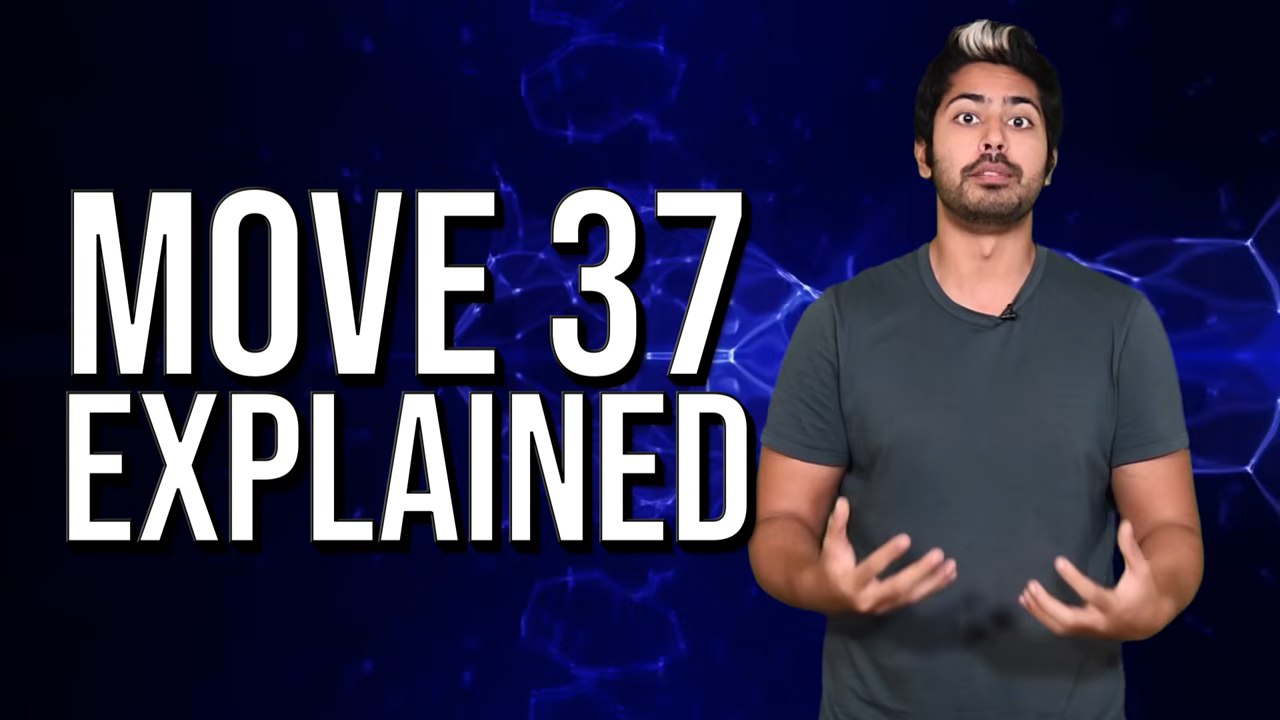
§1 · The mechanicsHow AlphaGo actually did it
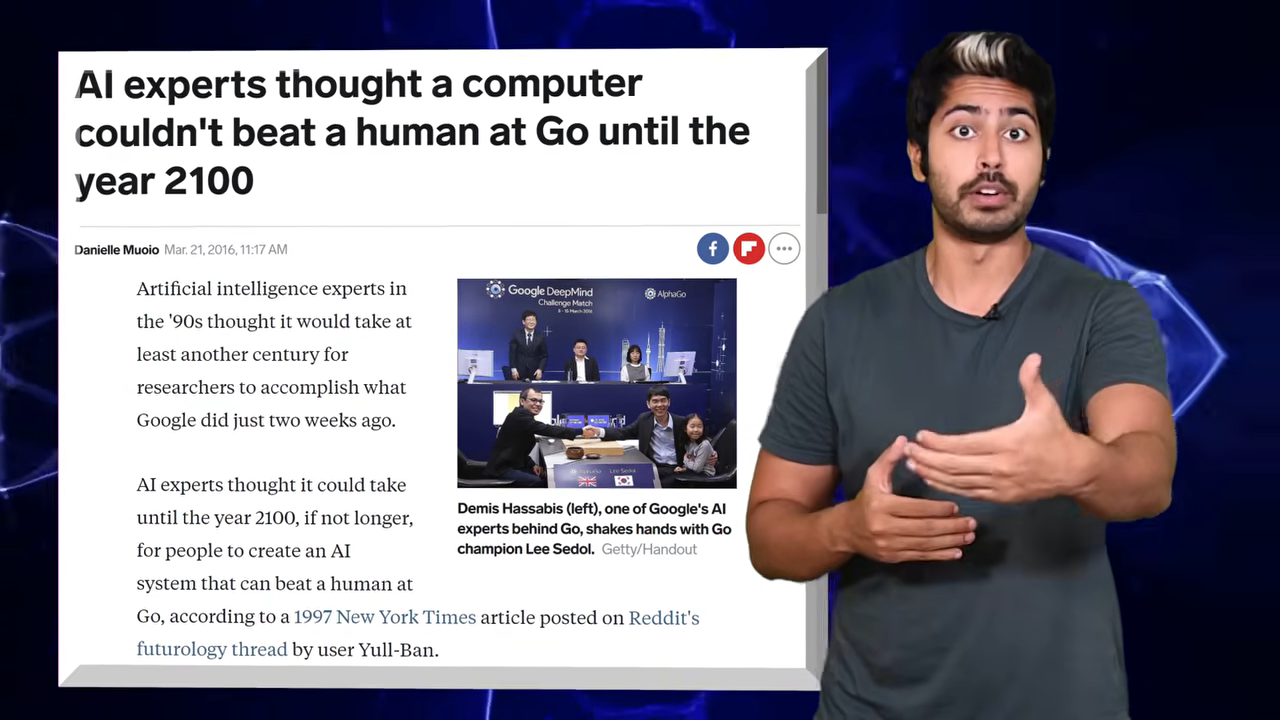
The strongest part of the video is the plain-English machinery. Go is hard because it's vast:
"A very challenging game, with more potential board positions than there are atoms in the universe."Siraj Raval — 0:43
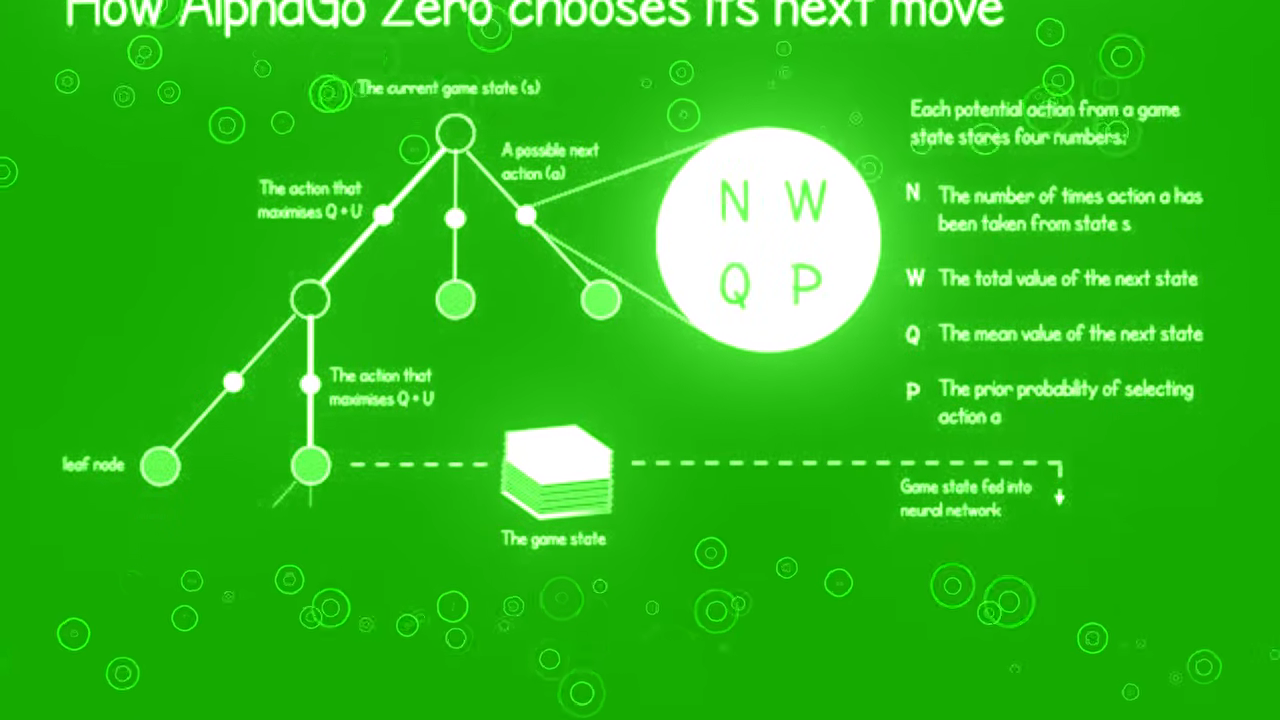
His explanation of the method is accurate and tidy: a Convolutional Neural Network trained on ~30 million expert moves to predict good moves and evaluate board positions, wrapped inside a Monte Carlo Tree Search that explores promising branches instead of brute-forcing them.
§2 · The move"Different, and better, than human intuition"
On Move 37 itself, the video's best line captures exactly why it mattered:
"Somehow, a computer program knew something about the game that we didn't. Somehow, its intuition was both different, and better, than human intuition."Siraj Raval — 3:04
And — like Roetzer — he doesn't stop at Move 37. He gives Lee Sedol his comeback, Move 78, the "Divine Move," AlphaGo's own 1-in-10,000, and uses it to define his central concept:
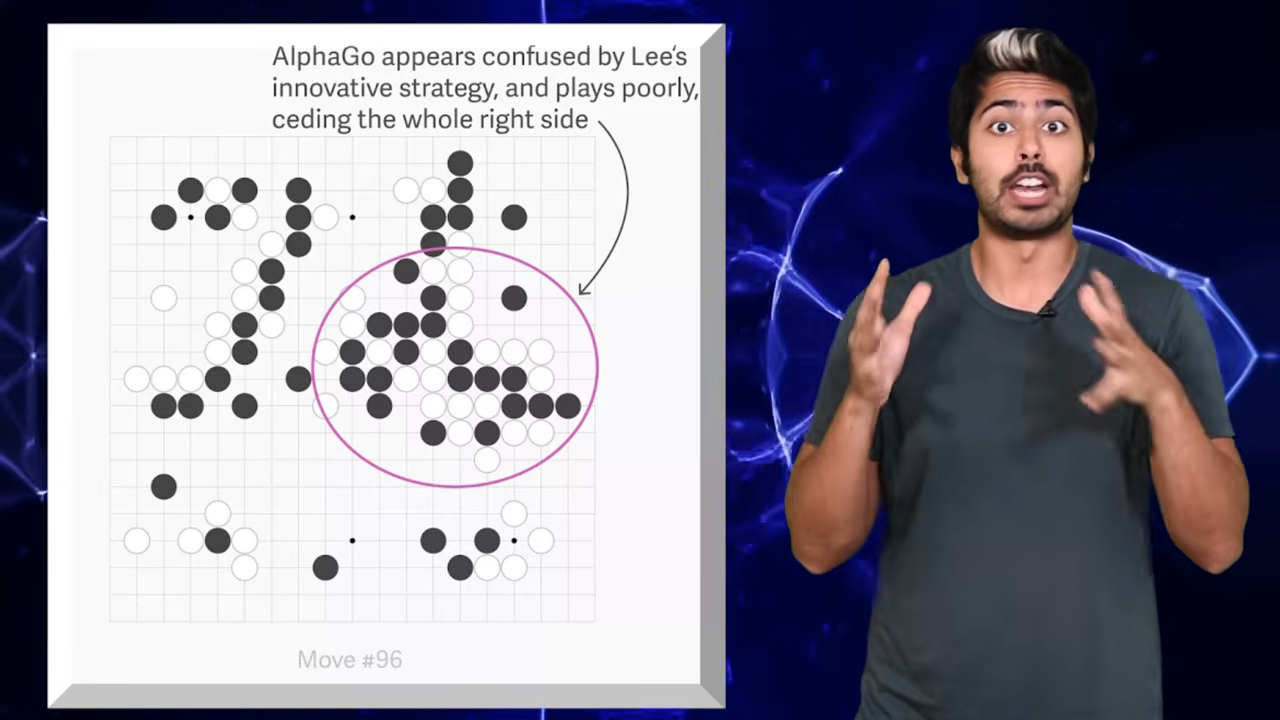
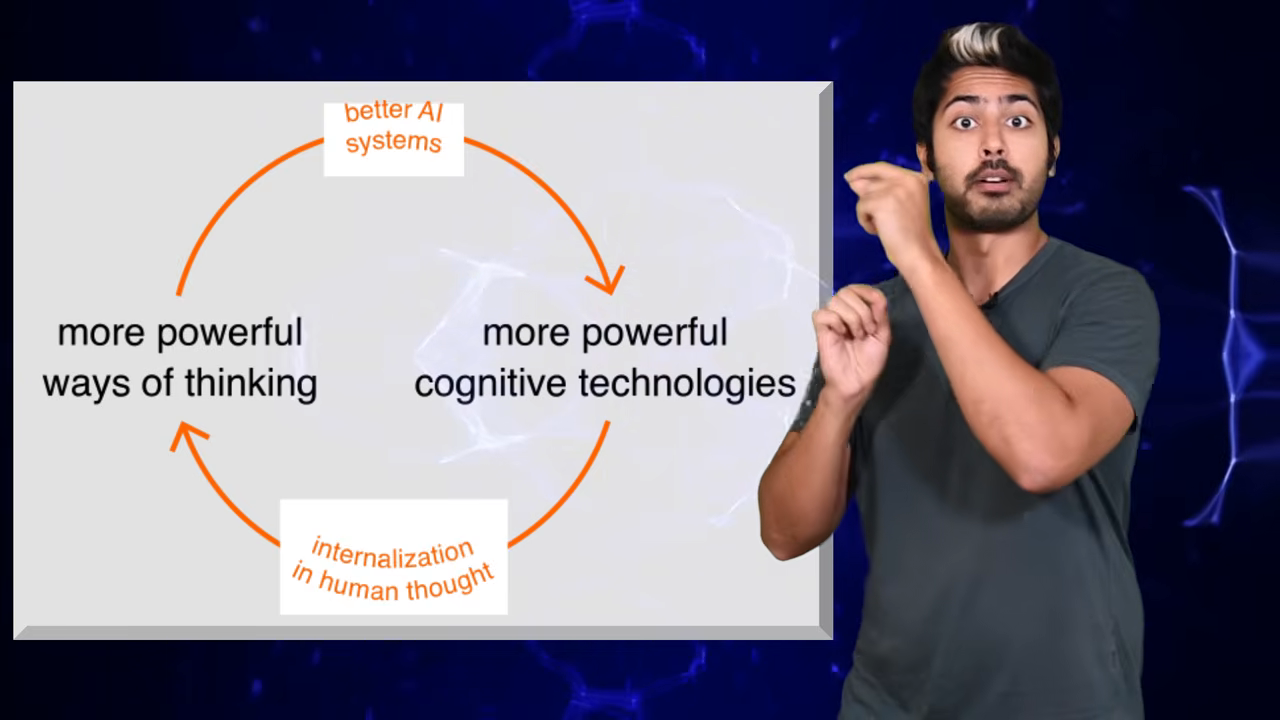
"This was an example of intelligence augmentation: better algorithms lead to better performances… humans who make better decisions can create environments where algorithms fail — 'divine moves' — and learning about these failures helps us design better algorithms."Siraj Raval — 4:18
§3 · The optimismThree places augmentation pays off
The back half is a tour of upside. It's where the video is most dated — and most interesting to re-read now.
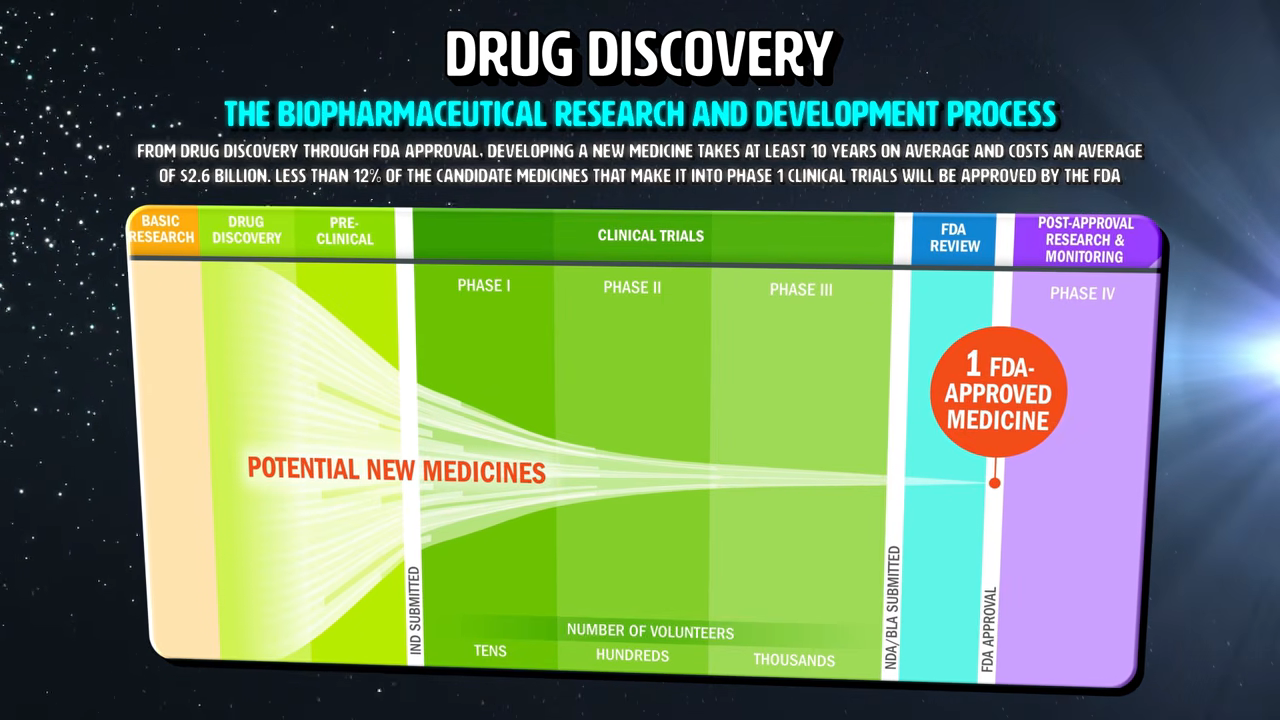
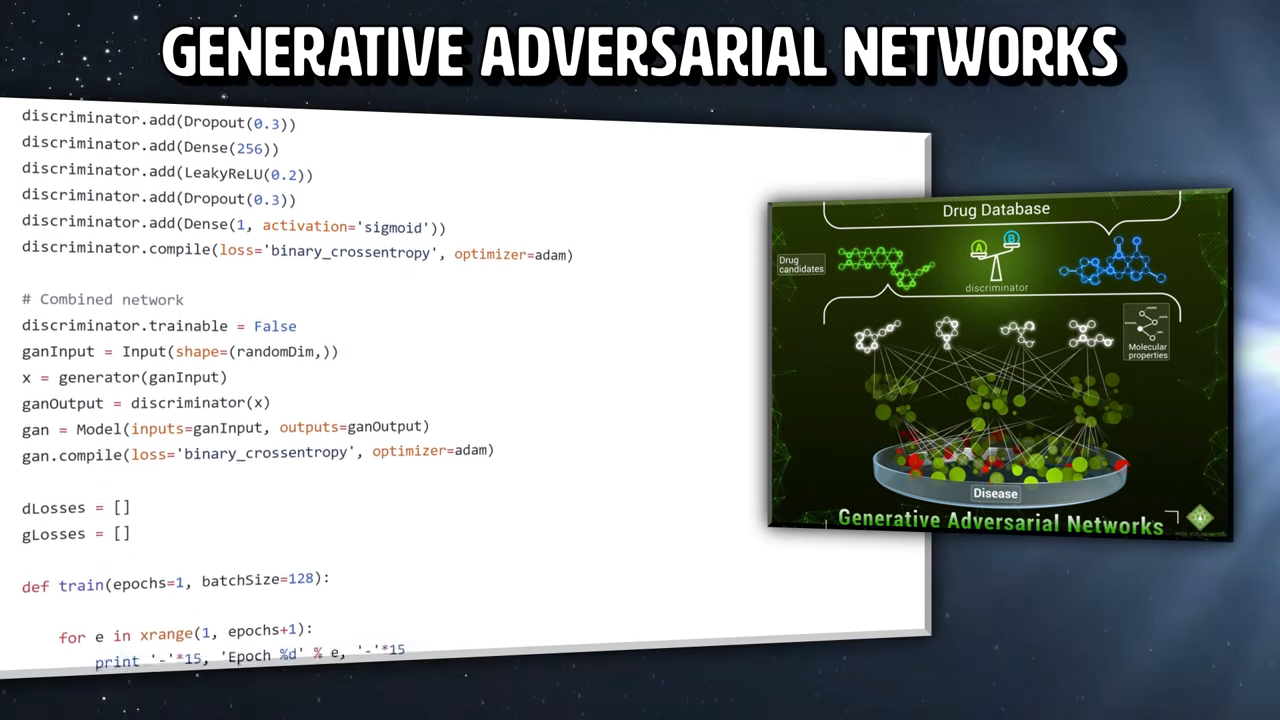
Healthcare. Drug discovery is slow and brutally expensive — "at least ten years… an average of $2.6 billion… less than 12% of candidates make it through Phase 1." His fix: generative models proposing molecules for humans to test.
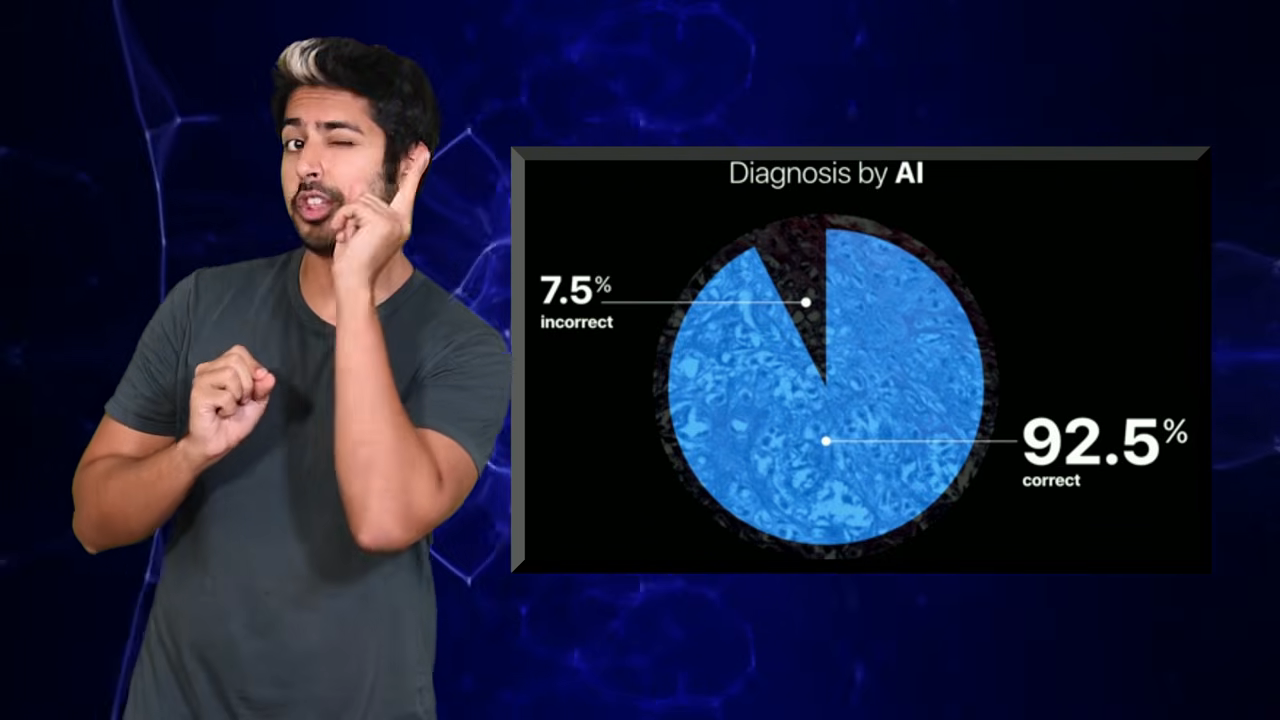
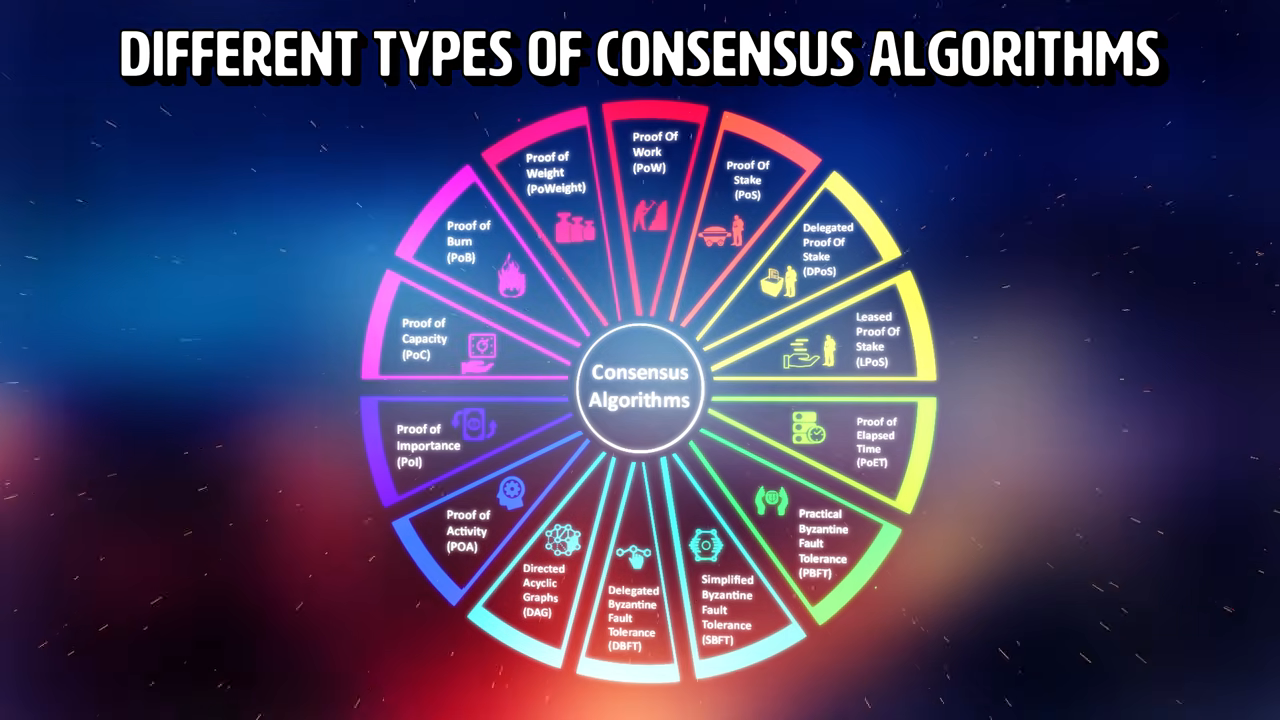
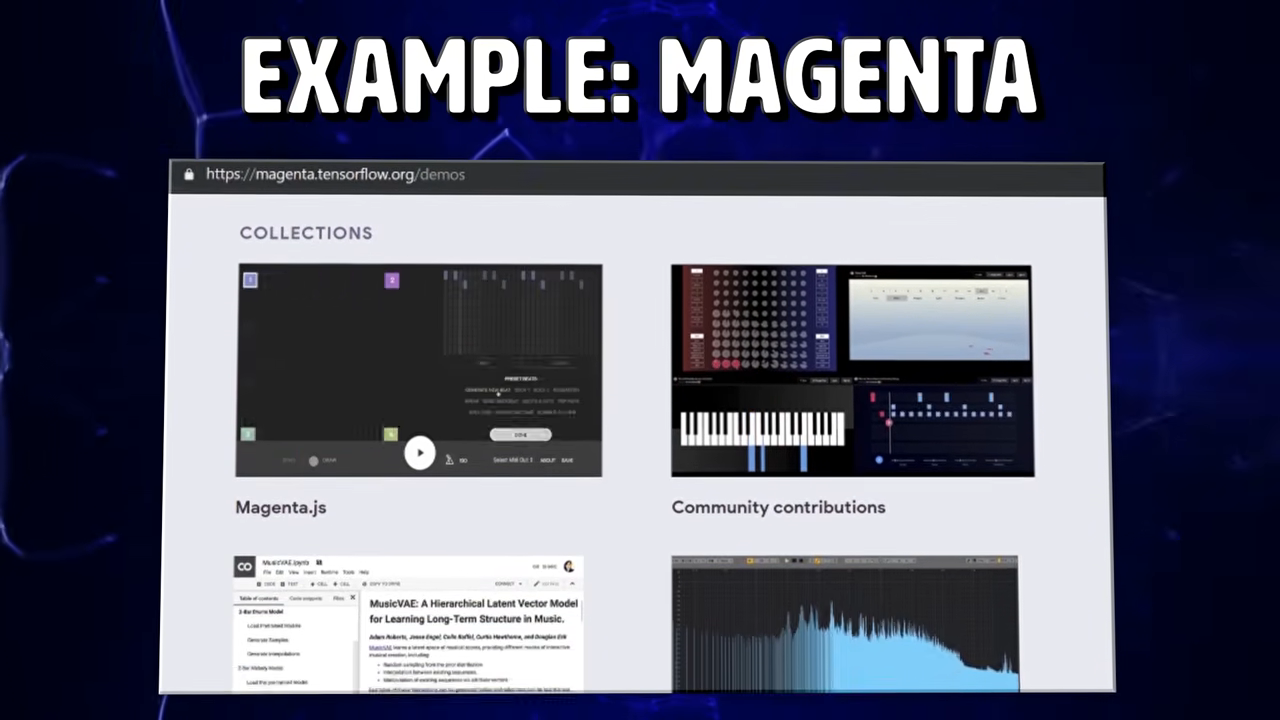
Software design. His pitch — "give high-level input to our machine, and it decides on the implementation details by itself" — is essentially a 2018 description of what coding agents became. He cites Google AutoML and, more speculatively, AI-designed blockchain consensus.
A personal assistant. The most prescient and the most unrealized: a local, transparent, privately-trained assistant.
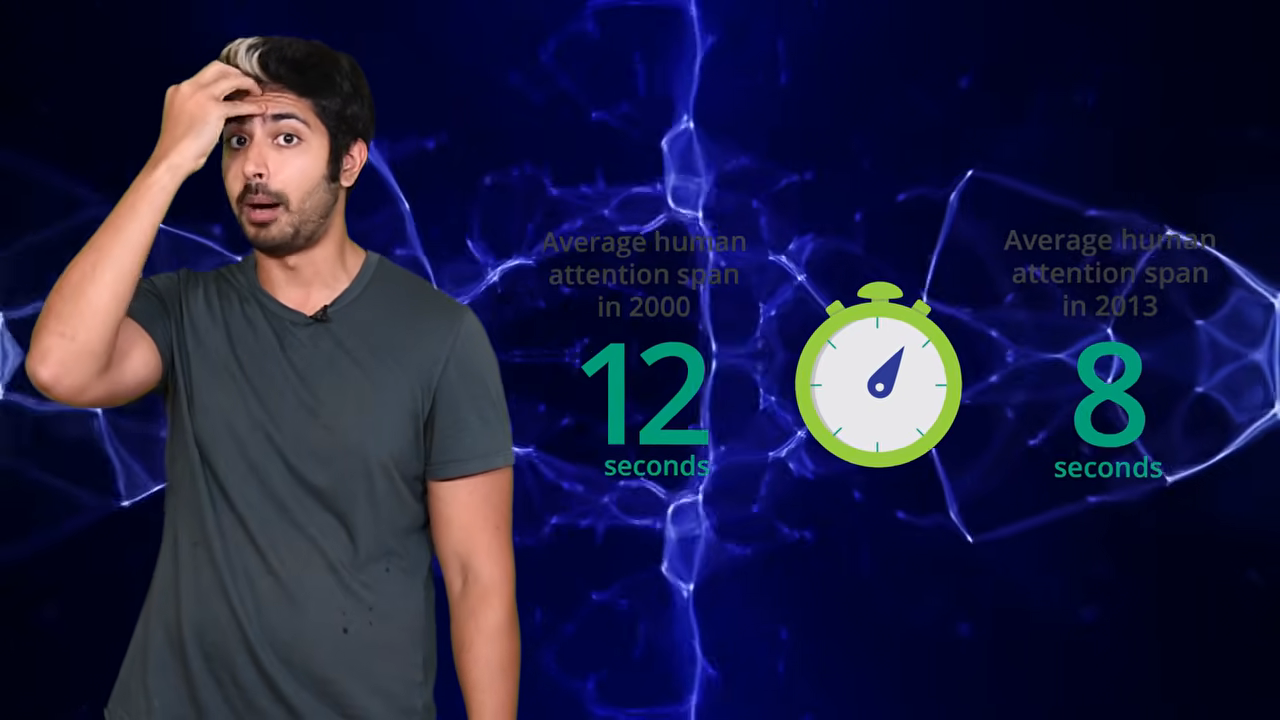
"A personal AI assistant, stored locally, trained on our data, with a transparent backend… could know us better than any human could — from our web browsing history to our heart rate."Siraj Raval — 10:07
In 2026 this is still mostly aspiration: the assistants that arrived are cloud-based and ad-adjacent, not local and transparent. He described the thing we still don't have.
§4 · The closeChina, and a very 2018 ending
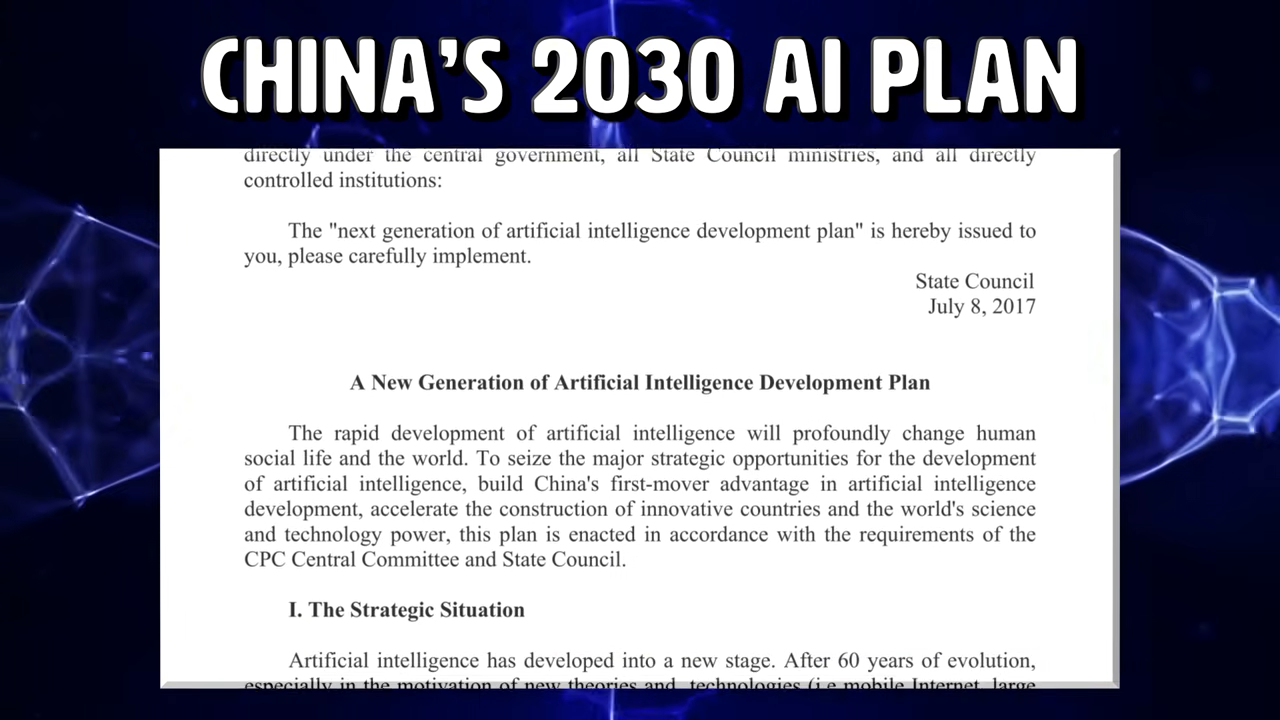
"Automation technology will help free humans from labor-based jobs, and create new classes of jobs that we actually enjoy doing."Siraj Raval — 11:18
That's the line the seven intervening years press hardest on. It may still come true — but Roetzer's keynote is 42 minutes of evidence that the transition is the hard part, and this video waves past it.
Two takes on one move2018 vs. 2025
Watched together, the pair is the whole arc of the AI-and-work conversation:
Siraj (2018) — mechanism and optimism. Here's how the machine did it, and here's the abundance it unlocks. Strong on the "how," light on the cost.
Roetzer (2025) — meaning and urgency. Here's what it does to 100 million jobs, and here's the choice leaders face. Strong on the "so what," anchored in economics.
Same move, same Move 78 comeback, opposite altitudes. The honest read sits between them: intelligence augmentation is real (Siraj), and the market may reach for replacement before augmentation (Roetzer).