In 2016, Google DeepMind's AlphaGo beat 18-time world Go champion Lee Sedol with a move so alien that commentators assumed it was a mistake before they realized it was genius. That was Move 37. Roetzer's whole talk — openly modelled on the AlphaGo documentary, which he says "changed my life in a somewhat profound way" — repurposes that moment for everyone who works with their mind.
The verdict
A rare AI keynote that earns its optimism instead of assuming it. The metaphor is more evocative than precise, and the middle is a wall of CEO doom — but Roetzer names that doom honestly, then converts it into a specific posture rather than a vibe. Watch it for the framing and the one habit that survives the hype: decide, task by task, what is human-led, AI-led, or agent-led.
§1 · The storyWhat "Move 37" actually means
Roetzer's reframe is the spine of the talk, and it's sharp because it's personal, not macro:
"The move 37 moment… is the moment when you realize AI is better than you at the thing that you do… It may start as individual tasks… but those tasks will add up and it will start to affect entire jobs."Paul Roetzer — 4:14
He doesn't argue it in the abstract — he lets creatives who've already hit the moment do it for him. Screenwriter Paul Schrader (Taxi Driver, Raging Bull), quoted from his public Facebook:
"I asked it for Paul Schrader's script ideas. It had better ones than mine… This is an existential moment akin to what Kasparov felt in '97."Paul Schrader, via the keynote — 5:43–6:04
Then writing coach David Perell, who quit teaching; then the tweet that gives the talk its emotional thesis:
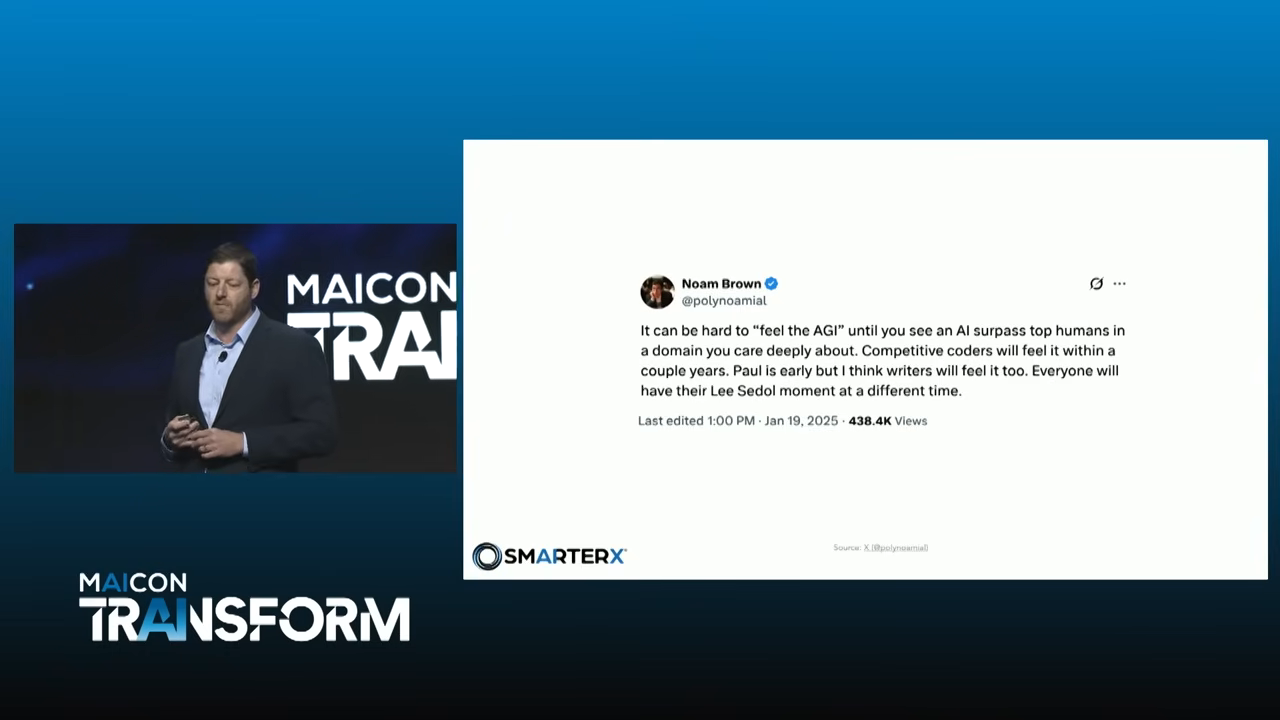
What keeps §1 from being pure dread is that Roetzer tells the whole Go story — including the comeback. In game four, Lee Sedol answered with Move 78, a play AlphaGo rated at a 1-in-10,000 chance (the same odds it had assigned Move 37) that made the machine unravel:
"When they asked Sedol afterwards, 'How did you make move 78?' He said, 'It was the only move on the board I saw.'"Paul Roetzer — 10:28
§2 · Why nowThe evidence he can't un-show you
The middle third is a deliberate accumulation of proof that the curve is compounding — and it's where the talk stops being comfortable.
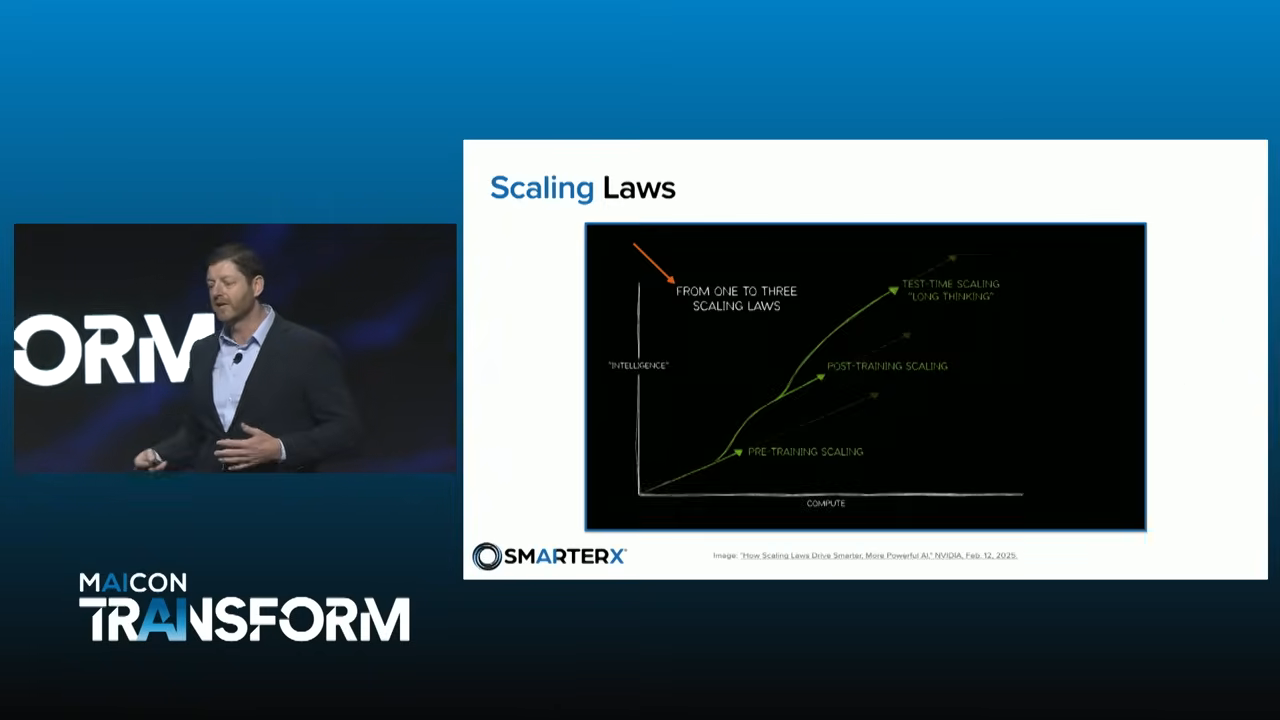
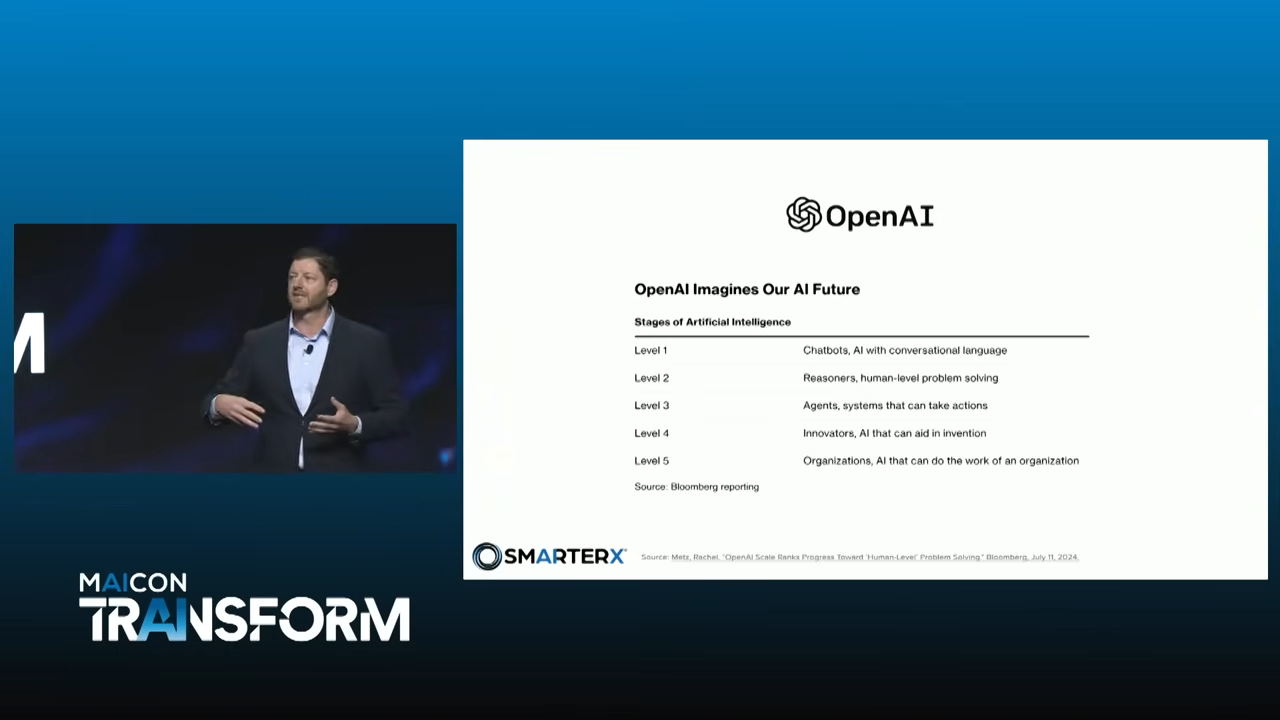
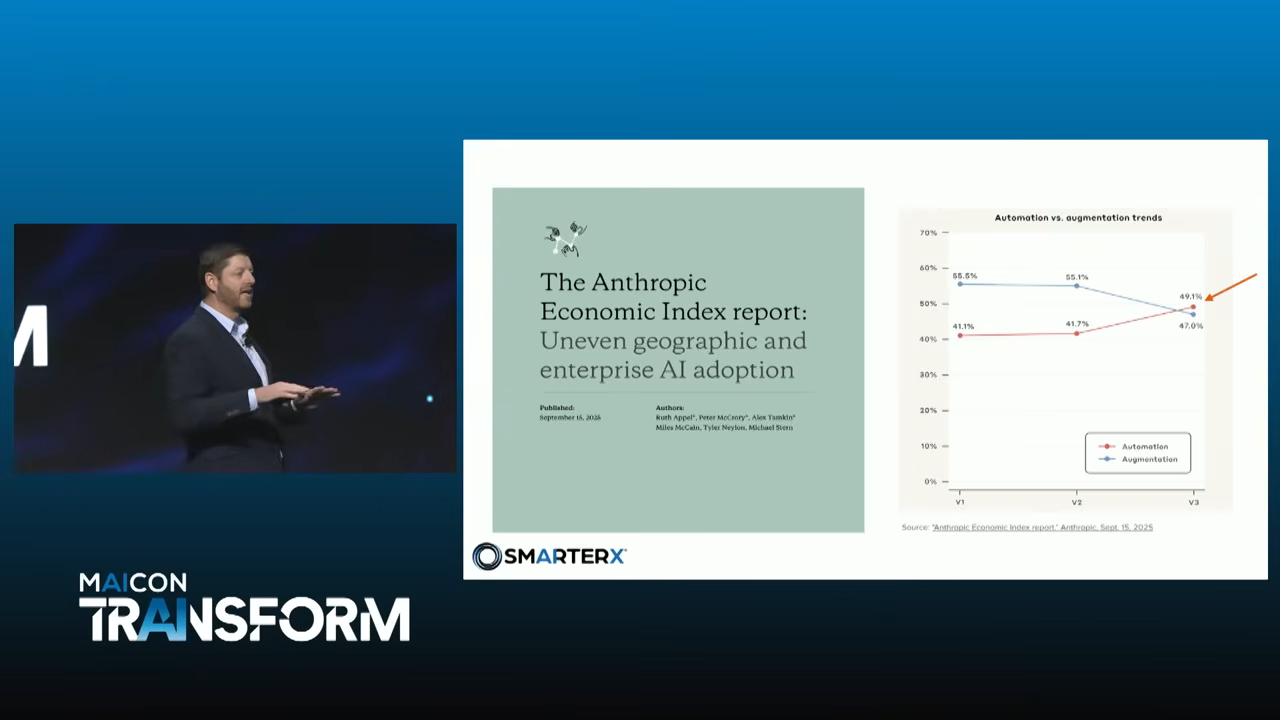
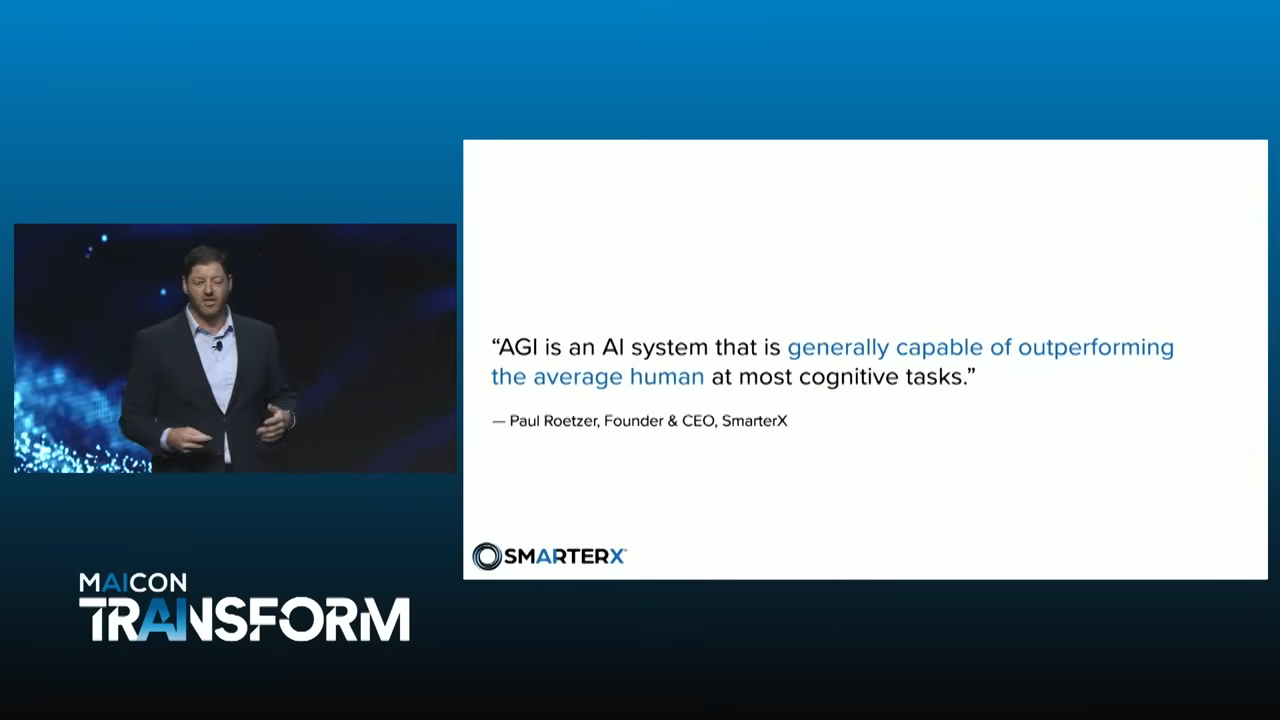
His definition of AGI is deliberately deflationary, and it's the most useful idea in the talk:
"It just has to outperform the average human… Economically speaking, the question is, can we replace people with it?… There's a new economic Turing test: would I hire an agent instead of a human — not to do a task, but to perform a job."Paul Roetzer — 22:21–23:10
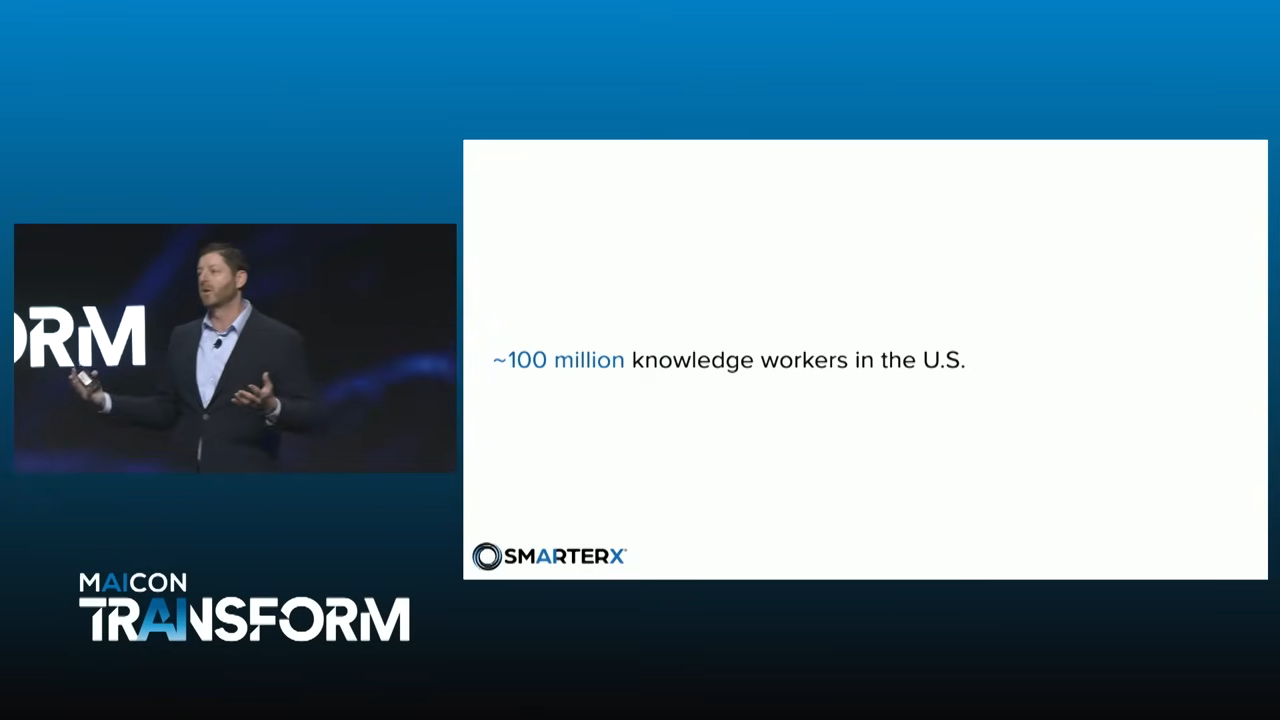
Then the capitalist engine, stated without flinching. Software is a $300–500B market; knowledge work is $11 trillion in wages — and Silicon Valley has noticed. He quotes Y Combinator's call for vertical agents, and a startup, Mechanize:
"The value prop of vertical AI agents is to automate the work entirely… 'The workforce is going to get automated anyway. We might as well just do it.'"Y Combinator / Mechanize, via the keynote — 26:27–26:46
And a wall of CEO quotes that he lets speak for themselves — Amazon, Microsoft ($500M saved in call centers), Salesforce, Nvidia, Walmart and EY (flat headcount), and the two blunt ones:
"AI is going to replace literally half of all white collar workers in the US." — Jim Farley, CEO, Ford
"40% of the people at the conference will have an AI agent and the rest of you will be looking for jobs." — Robert Smith, Vista Equityvia the keynote — 32:06–32:25
§3 · The pivotEarning the hope
The most disarming moment is Roetzer admitting the talk's construction problem out loud:
"The hardest part of preparing this talk… was how do I give hope. This sucks. This is not a fun talk to give you on day one."Paul Roetzer — 32:44
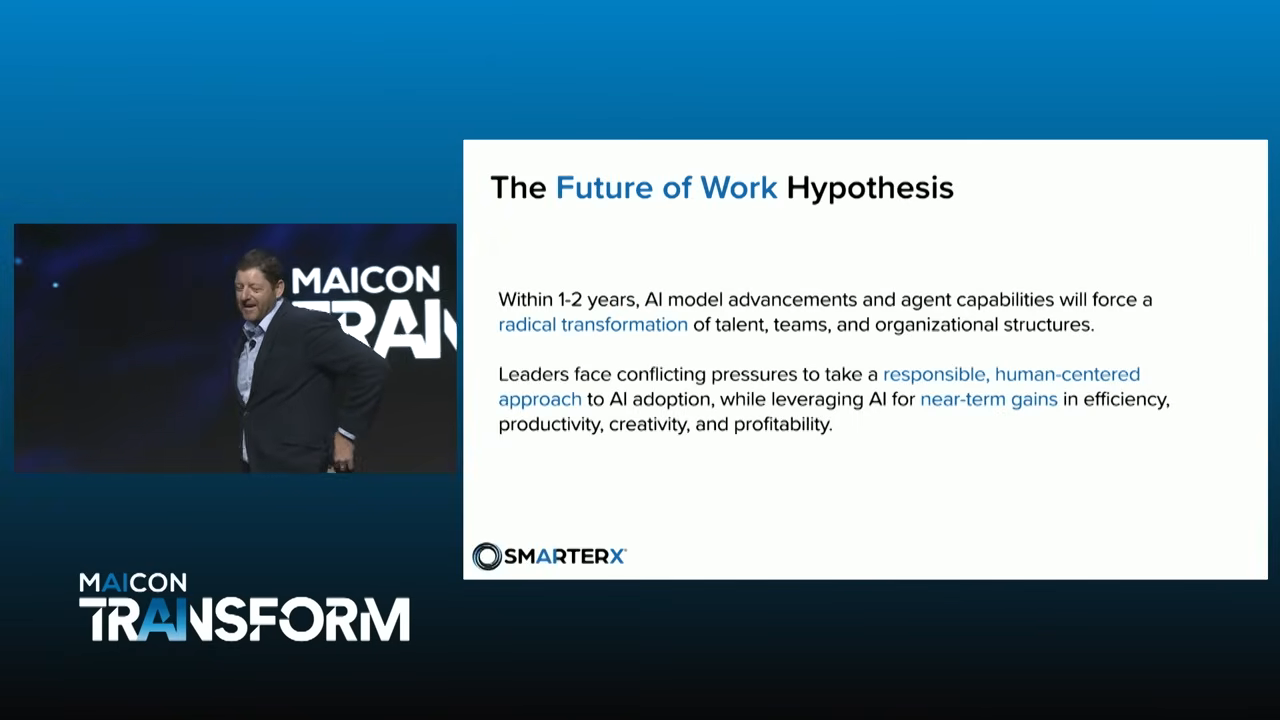
His prescription is a mindset ("AI-forward"), a skill list topped by AI literacy (now LinkedIn's #1 skill), and one genuinely portable distinction:
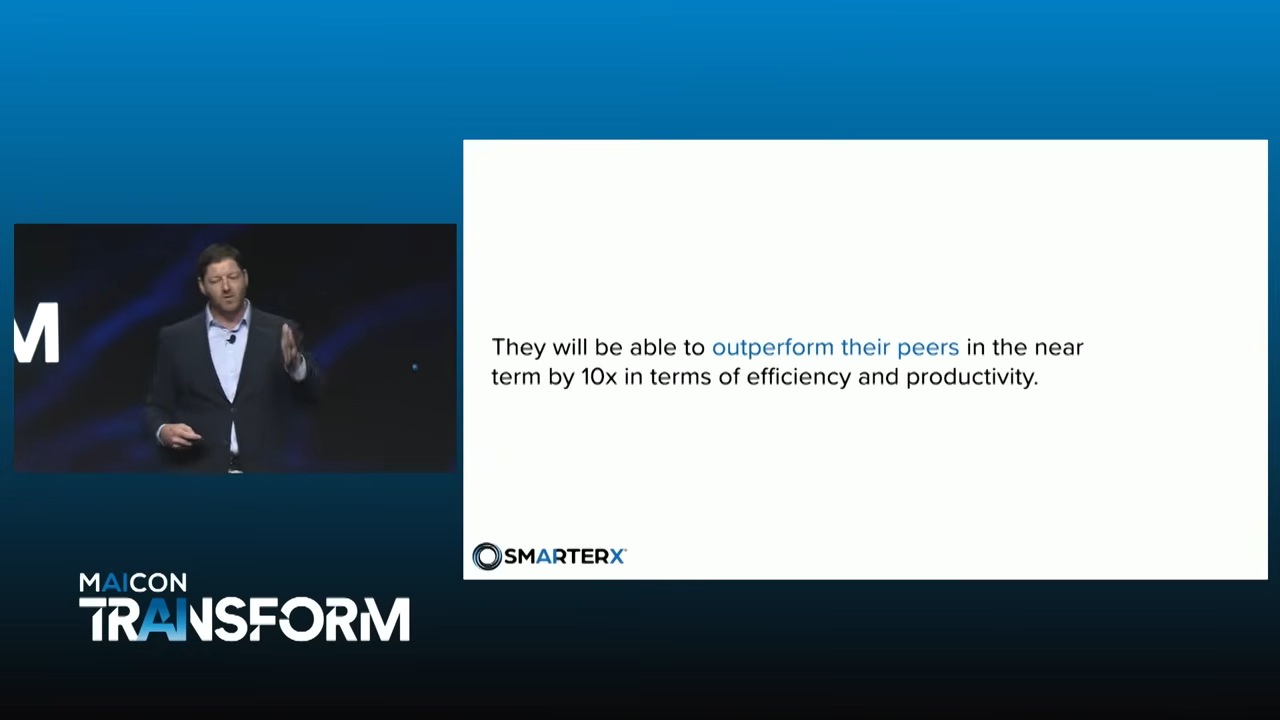
"Optimization is 10% thinking. Innovation is 10x thinking… You will be able to outperform everyone at a rate that's hard to comprehend."Paul Roetzer — 37:17 / 38:30
§4 · The closeMove 37 begat Move 78
Crucially, Roetzer doesn't leave the human comeback to someone else — he closes on it himself:
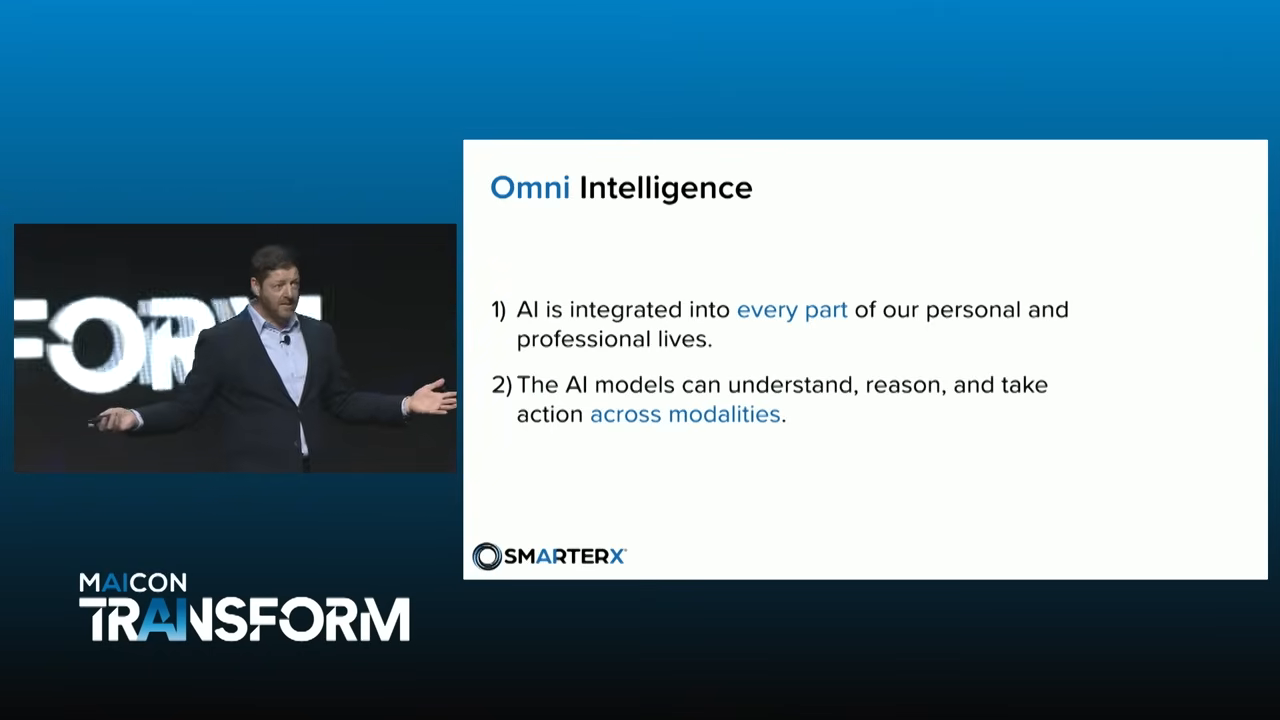
"Move 37 begat move 78… We can't think of this as human versus AI. It has to be human plus AI… Embrace your move 37 moment."Paul Roetzer — 39:38 / 40:18
"Together we can make the future not only of marketing but of society both more intelligent and more human."Paul Roetzer — 42:02
The dialecticMove 37 vs. Move 78
There's a companion essay circulating — "The Move 78 for Humanity" — often framed as a rebuttal. It isn't, quite: Roetzer already builds Move 78 into his own close. They're two halves of one honest answer.
Move 37 — the disruption
- AlphaGo's alien move: machine surpasses human
- Register: urgency, adapt-or-fall-behind
- Right about the labor-market mechanics
- Weak on: what happens to displaced people
Move 78 — the response
- Lee Sedol's "god move": human answers back
- Register: dignity, wonder, resilience
- Right about the human posture
- Weak on: you still have to pay rent next quarter
The tell that binds them: Move 78 only means anything because Lee Sedol had already lost three games. The comeback presupposes the disruption. Roetzer's version works because he refuses to skip either half.